Choosing a packaging material that is branded isn’t just about slapping a logo on a box. It’s about creating a tactile narrative that speaks louder than words, turning every unboxing into a memorable brand experience. Whether you’re a boutique coffee roaster, a tech start‑up, or a craft beer distributor, the right material can amplify your story, protect your product, and reinforce your identity—all while keeping costs in check.
---
Understanding the Role of Brand in Packaging
When you first open a product, your brain is already forming an opinion. That initial impression is often rooted in the packaging. Think of it as the first handshake between your brand and the customer: warm, firm, and full of promise. As the saying goes, “Packaging is the first handshake between product and consumer.” This metaphor reminds us that the material you choose is the first physical touchpoint that can either seal a deal or break a connection.
- First impressions matter: The texture, weight, and visual cues of the packaging set expectations. Brand consistency: Every touchpoint should echo the same tone—whether it’s eco‑friendly, luxurious, or playful. Emotional resonance: A well‑chosen material can evoke feelings of trust, excitement, or nostalgia.
---
Key Factors to Consider
Choosing a branded packaging material involves a delicate balance of several variables. Here’s a quick rundown of the most important factors:
Cost vs. Perceived Value
- Budget constraints: Every dollar saved on material can be redirected to marketing or product development. Premium perception: A heavier, sturdier material often signals higher quality, even if the product itself is modest.
Functionality and Protection
- Product safety: Fragile items need cushioning; liquids require moisture barriers. Shelf life: Perishables need materials that maintain freshness.
Brand Identity Alignment
- Color palette: Does the material accommodate your brand colors without distortion? Texture and finish: Matte vs. glossy, smooth vs. embossed—each conveys a different personality.
Sustainability Credentials
- Recyclability: Materials that can be easily recycled resonate with eco‑conscious consumers. Renewable sources: Bamboo, hemp, or recycled PET can become part of your brand’s green narrative.
---
Material Options and Their Brand Potential
Different materials offer distinct advantages and brand messages. Below is a snapshot of common options and what they can convey.
Paper and Cardboard
- Pros: Affordable, recyclable, versatile for printing. Brand message: Earth‑friendly, artisanal, or budget‑friendly. Ideal for: Food items, small gadgets, or eco‑campaigns.
PET and Polyethylene
- Pros: Lightweight, strong, clear options for product visibility. Brand message: Modern, sleek, and functional. Ideal for: Bottled beverages, cosmetics, and tech accessories.
Wood and Bamboo
- Pros: Premium feel, biodegradable, unique grain patterns. Brand message: Luxury, rustic, or sustainable luxury. Ideal for: High‑end cosmetics, gourmet food, or artisanal goods.
Glass
- Pros: Recyclable, timeless, and visually impressive. Brand message: Classic, high‑quality, and eco‑aware. Ideal for: Spirits, sauces, or premium cosmetics.
Metal (Aluminum, Tin)
- Pros: Durable, recyclable, and great for premium branding. Brand message: Industrial chic, eco‑friendly, or high‑tech. Ideal for: Energy drinks, tech gadgets, or luxury accessories.
---
Design Integration: From Concept to Reality
Once you’ve narrowed down the material, the next step is to weave your brand identity into the design. Think of the packaging as a canvas—your material is the paint, and your brand guidelines are the brush strokes.
Color and Print Fidelity
- High‑resolution printing: Ensures logos don’t blur on textured surfaces. Color matching: Use Pantone or CMYK swatches to maintain consistency across batches.
Typography and Layout
- Hierarchy: Highlight the most important information—brand name, product name, and key features. Legibility: Avoid overly decorative fonts that compromise readability.
Unique Features
- Embossing or debossing: Adds a tactile element that feels premium. Custom shapes: A distinctive silhouette can set your product apart on the shelf.
Prototyping and Feedback
- Physical samples: Feel the weight, texture, and print quality before mass production. Customer focus groups: Gather honest opinions on design appeal and perceived value.
---
Sustainability and Branding
In today’s marketplace, “green” is more than a buzzword; it’s a buying decision. Integrating sustainable materials can elevate your brand’s credibility while reducing environmental impact.
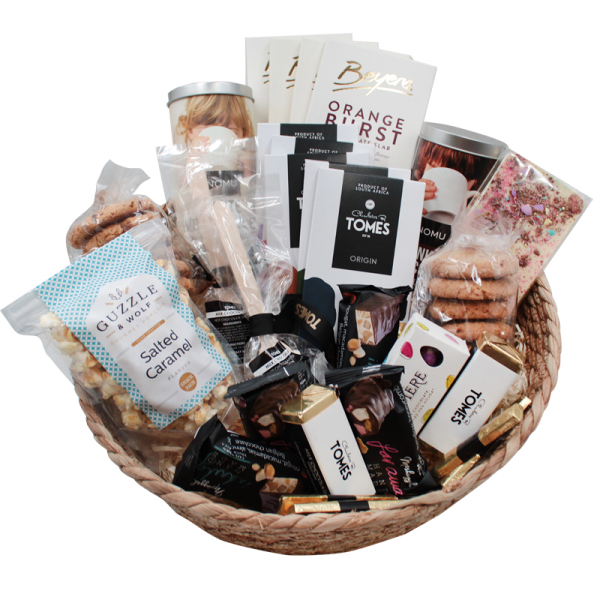
- Recycled content: Use 100% post‑consumer recycled paper or PET to showcase commitment. Renewable fibers: Bamboo or hemp packaging signals innovation and responsibility. Minimalist design: Reducing material usage without compromising protection can lower carbon footprints.
Remember, the packaging story should be honest. If you claim eco‑friendly, make sure the material and supply chain back it up—otherwise, you risk a brand reputation crisis.

---
Final Steps: Testing and Feedback
Before you launch, test the packaging under real‑world conditions:
- Drop tests: Ensure fragile items survive typical handling. Temperature cycling: Verify that the material doesn’t warp or leak. Shelf life studies: Confirm that seals and barriers hold over time.
After launch, keep listening:
- Customer reviews: Pay attention to comments about packaging durability or aesthetics. Return rates: A high return rate may signal packaging failure. Social media buzz: Positive unboxing videos can become powerful word‑of‑mouth marketing.
---
Making Your Selection Count
Choosing a packaging material that is branded is like picking the right key for a lock—if it fits, it opens doors; if it doesn’t, it leaves you stuck. By balancing cost, functionality, brand alignment, and sustainability, you’ll create a package that not only protects but also persuades.
* Remember*: The right material can turn a simple product into a brand ambassador. It’s the quiet hero that carries your story from the factory floor to the front of the shelf. So, ask yourself: What story will your packaging tell? Let the material be the voice, and your brand the chocolate hampers message.
If you’re ready to elevate your packaging, start by listing your priorities—cost, protection, brand voice, and sustainability. Then, explore the materials that best match those priorities. Finally, prototype, test, and refine. Your brand deserves packaging that speaks louder than the product itself.